Fragrance
What is oud? Its origins and use in fragrance
From resinous agarwood to modern perfumery: the origins, traditions and interpretations behind a much-loved fragrance name.
T&RBy Thames & Red4 min read
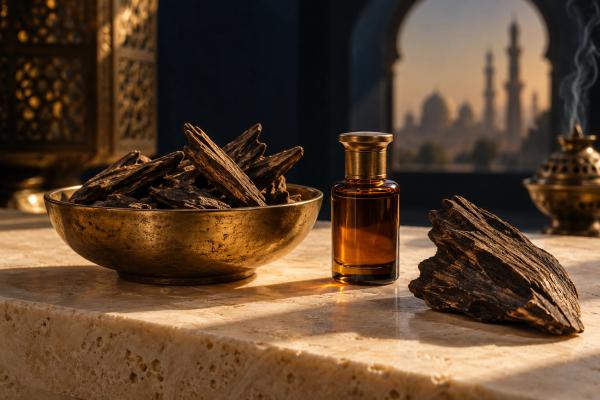
Oud is associated with the fragrant resinous wood known as agarwood and the perfumery oil obtained from it. In fragrance, the name can also describe an oud-inspired character created through a blend of materials.
You may encounter oud in a perfume name, an incense shop or a fragrance description. Understanding what the word refers to makes those references easier to read—and explains why two products with “oud” on the label can be very different.
A small detail
Begin with the distinction: A natural material, a perfumery oil and a fragrance idea.
It begins with agarwood.
Natural oud is linked to resin-rich heartwood in trees of the genus Aquilaria. That material has long been valued for its fragrance, with the wood and distilled oil used in different ways.
The name connects a physical material to a wider world of scent. A piece of fragrant wood, a small bottle of oil and a finished perfume are related, but they are not the same product.
A place in Arabian fragrance traditions.
Oud has an established place in Middle Eastern fragrance culture, alongside its roots in Asia. Its presence can be experienced through incense and personal fragrance, giving it a cultural life beyond a modern perfume counter.
These traditions are varied. A thoughtful introduction should leave room for different places, practices and preferences rather than turning an entire region into one scent description.
Agarwood chips, an amber perfumery vial and a brass bowl in a warmly lit Arabian-inspired setting
The name opens a door. The individual fragrance tells the rest.
Why can natural oud be so highly prized?
The origin and character of the material, how it is produced and processed, and its quality can all influence value. Natural oud is often discussed as a precious perfumery material rather than an interchangeable commodity.
That is also why a product name is not enough to establish composition or quality. A prominent oud label does not tell you the source, amount or nature of the material in the finished fragrance.
Natural oud and an oud-inspired accord.
A perfumer can create an oud-inspired impression using a composition of fragrance materials. The result may evoke a particular idea of oud without being a bottle of natural oud oil.
That is a normal distinction to explain clearly. Ask what a product description actually claims: natural oud as a material, an oud note within a blend, or inspiration drawn from the wider fragrance tradition.
Why oud fragrances can be so different.
A finished fragrance is a composition. The materials around a central note change how the whole is experienced, just as the same colour can look different beside different shades.
This is why an oud reference should not be read as a promise that every product will smell identical. Explore the description of the individual blend and keep the broader material story separate from a specific product’s claims.
From a fragrance tradition to everyday objects.
Today, oud appears as an inspiration across personal and home fragrance. A name may connect a modern product to a much older story while its formula serves an entirely different purpose.
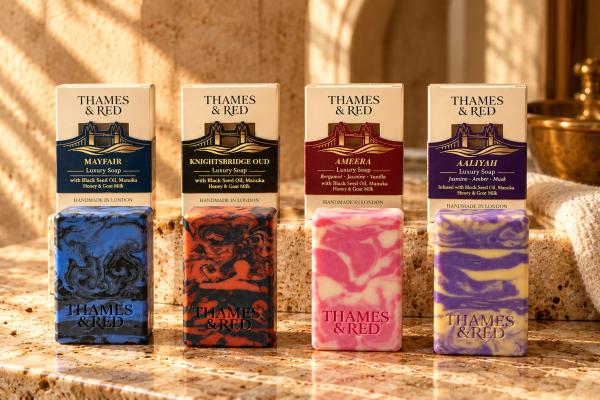
For Thames & Red, Knightsbridge Oud sits within that wider world of fragrance inspiration. Its product information is the place to understand the actual bar; the story of oud provides context rather than replacing the ingredient list.
Worth remembering
- Distinguish agarwood, natural oud oil and an oud-inspired blend.
- Read the composition claims for the individual product.
- Enjoy the cultural story without expecting every interpretation to be alike.
Frequently asked questions
Is oud the same as agarwood?
The terms are closely connected. Agarwood describes the fragrant resinous wood; oud is also used for its perfumery oil and more broadly within fragrance naming.
Does every oud fragrance contain natural oud oil?
Not necessarily. A product may use an oud-inspired accord. Read the individual description rather than inferring its ingredients from the name.
Why does oud appear beyond perfume?
Fragrance ideas can be interpreted across different product formats. The formula, intended use and experience still depend on the individual product.
Sources
A small detail
London character. Arabian inspiration. Discover the City Collection and the story behind Knightsbridge Oud.
From the Thames & Red journal
Notes on fragrance, ingredients and the art of everyday rituals.
- fragrance
- journal